
America’s Political Gerontocracy
AMERICA’S POLITICAL GERONTOCRACY
It’s long past due that we have a serious national conversation about age. More specifically, we need to face hard facts about age and leadership. We have, in effect, become a gerontocracy — a country governed by old people.
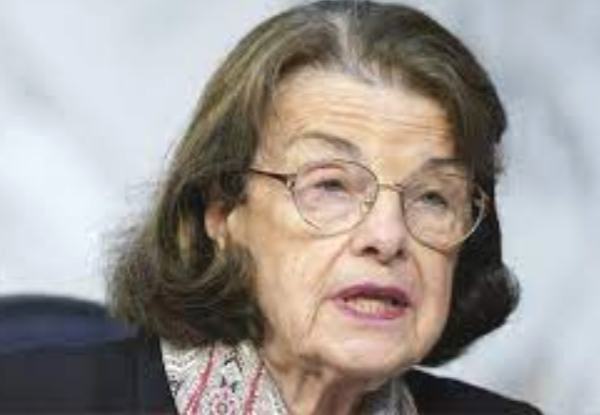
This is a problem at many levels. At 89, the senior senator from California (Diane Feinstein) has pretty much lost her marbles. She’s missed so many votes and been absent so many times, there’s a logjam on judicial appointments. Even some Democrats are publically asking her to retire. At 90, the senior senator from Iowa (Chuck Grassley) often seems totally out of it. Assuming he reaches the end of his current term, he’ll be 95. Senate Minority Leader Mitch McConnell is 81, and now going through health problems. Fortunately, Nancy Pelosi (81) voluntarily stepped down from her leadership role in the House of Representatives, last fall. Unfortunately, many if her peers aren’t following her example.
Then, there’s the presumptive 2024 Presidential race, which is increasingly looking like a rematch from 2020. While the reports of President Joe Biden’s “deteriorating” mental state are certainly exaggerated, they still must be a concern. This is true both practically and politically. Could Biden go the distance for another six years in office and remain mentally fit? Any reasonable person should have doubts. This is the reason a majority of Democrats don’t want him to seek re-election, despite a pretty good track record for a first term. As for Donald Trump, if he somehow wins in 2024, he’d be 79 and governing well into his 80s. Questions as to Trump’s mental state go much deeper than just age and have been alarmingly self-evident for a very long time. And his instabilities, inner demons, and erratic mannerisms, to put it kindly, are certain to worsen with age.
It’s important to point out how age factors into decisions that are made which impact our lives and will continue to shape the nation we live in. It’s no accident that Trump made three appointments to the Supreme Court and all three were/are relatively young. Neil Gorsuch, Brett Kavanaugh, and Amy Coney Barrett are all in their mid-50s, which means they’ll probably be making high-court rulings for the next 30 years. That’s a very long time, which raises another issue as to changing the constitution on lifetime appointments for justices. Obviously, this won’t happen because everything’s now politicized. But it’s a debate we should have started generations ago.
Though not the same question, it’s also fair to ask about the health of our representatives. Most of us were sympathetic to the late Arlen Spector, who served gallantly for many years, even while undergoing cancer treatments that clearly impacted his function. Congressman Jamie Raskin is now facing a similar battle, and though he appears to be fighting valiantly, at what point might an exit be the right path? Admittedly, this is a far easier question for congressional representatives, since they face reelection every two years. Senators have six-year terms, and as stated previously, Supreme Court Justices can serve for a lifetime. As to another senator from Pennsylvania, John Fetterman deserves our support. But at some point, it’s only fair to ask if he can serve another 5 years and be an effective voice for his constituents. This may be an uncomfortable conversation, but it’s one we should have at some point.
The disclaimers as to age are obvious, and I won’t spend much time addressing them other than to say:
— age limits on public service are not a good idea (and would likely be unconstitutional).
— age is just a number; for every out-of-touch octogenarian, there are also elected officials in thier 80s who are fully competent, both mentally and physically.
— this problem of incompetency due to age is likely to worsen as the population ages and incumbents continue enjoying unfair electoral advantages which perpetuates the reelection of more old people.
— defenders of the status quo will point out this matter is best left up to voters.
I’m open to reading and pondering more on this issue. We need to address it, preferably in a non-tribal non-partisan manner (which I understand is next to impossible).